
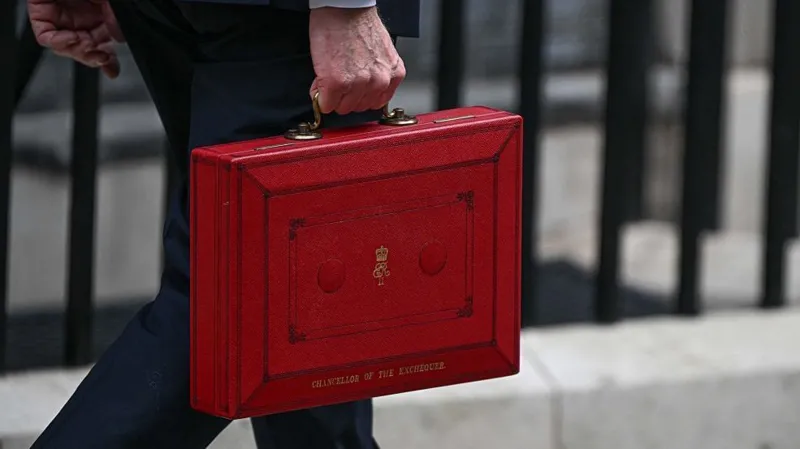
Chancellor John Healey has announced the government’s tax and spending plans in the 2026 Budget, the first since Andy Burnham became prime minister.
The measures cover household energy costs, taxation, wages, pensions, housing, defence and regional investment. The government has also outlined updated forecasts for economic growth, inflation and public borrowing.
Here are the main announcements
- £100 one-off payment: Up to 20 million households in council tax bands A to D in England will receive a payment to help with rising energy bills. Equivalent funding will be provided to Scotland, Wales and Northern Ireland.
- Changes to standing charges: Fixed daily charges on household gas bills will be removed in England, Scotland and Wales, with the costs transferred to the unit rate.
- VAT relief: The reduction in VAT on electricity bills will continue until July.
- Green levy removed: The Gas Shipper Obligation, which funds hydrogen projects, will be removed from energy bills and funded through general taxation.
- Fuel duty freeze extended: The freeze will continue until July.
- Import taxes cut: Import taxes will be removed on more than 100 products, including gherkins, marmalade, kerosene and fertilisers.
- Mileage allowance protected: The tax-free mileage rate of 55p per mile for work-related driving up to 10,000 miles will become permanent. The rate for additional miles will increase from 25p to 35p.
- Business energy support: A new scheme launching in April will reduce electricity bills by 25% for 10,000 energy-intensive businesses. Payments will be backdated to cover energy costs incurred this year.
The Budget introduces several changes affecting landlords, savers, banks and businesses.
- Higher tax on rental income: From April 2027, landlords will face an additional 2% income tax on rental profits.
- Savings and property income: An extra 2% tax will apply to income from savings and property rental from April.
- Cash ISA allowance retained: The annual tax-free cash ISA allowance will remain at £20,000. Plans to reduce it to £12,000 for people under 65 have been abandoned.
- Higher bank surcharge: The surcharge on bank profits will rise from 3% to 6% for 15 months, beginning in January.
- Business rates changes: In England, the threshold at which high-street shops begin paying business rates will increase from £12,000 to £18,000. Properties with a rateable value below the new threshold will pay no business rates.
- Reduced relief for some businesses: Adult gaming centres and vape shops will lose eligibility for certain business rates relief.
- Gambling taxes increased: Taxes on gambling machines with stakes above £1 will rise from 20% to 25%.
- Online marketplaces responsible for VAT: Platforms such as Amazon, eBay and Temu will be required to collect VAT owed by sellers using their services.
Pensioners, workers and some families will receive changes to payments and allowances.
- State pension increase: The new flat-rate state pension will rise by £488 a year from April, equivalent to 3.9%, under the triple lock. The old basic state pension will increase by £374.40 annually.
- Tax relief for low-income pensioners: A new tax-free allowance will ensure pensioners whose income is no higher than the full new state pension do not pay income tax.
- Minimum wage rise: The legal minimum wage will increase by 3.9% in April.
- Carer’s Allowance reform: Unpaid carers earning more than £204 a week after tax will no longer automatically lose their entire Carer’s Allowance. A tapered reduction will be introduced instead.
- Expanded parental pay: Parental pay will be extended to self-employed fathers and parents in same-sex couples.
The government has announced additional funding for affordable homes and efforts to address homelessness, alongside new support for first-time buyers.
- Homelessness funding: An additional £432m will be allocated to an initiative intended to end rough sleeping by Christmas.
- First-time buyer loans: A new scheme in England will offer government-backed loans to households earning below £110,000, rising to £140,000 for those in London.
- New First Time Buyer ISA: A new savings account is planned for April 2029. It will replace the Lifetime ISA and help people save towards a first home.
- Lifetime ISA withdrawal charges: People using a Lifetime ISA to buy a property costing more than £450,000 will face a reduced withdrawal charge of 20%, down from 25%.
- Affordable housing investment: An extra £1bn will be added to social and affordable housing funding in England, taking the total for the 10-year programme to more than £40bn.
The Budget sets out plans to give regional leaders more control over local revenue and investment.
- Local authorities are expected to retain all business rates by the end of the decade.
- Mayors will retain 20% of business rates revenue from next year.
- A share of income tax receipts will go to mayors from 2028.
- Regional authorities and mayors in England will receive greater spending powers, beginning with £285m next year for priorities including housing, transport and high streets.
- The government will work with mayors to develop a £1.5bn borrowing facility to finance larger projects.
The chancellor pledged to increase defence spending by 2030.
The government’s Defence Investment Plan will be fully funded through a further 1% reduction in capital budgets across other government departments. The announcement follows a commitment by Sir Keir Starmer of £10.3bn towards a £15bn plan.
Details of how the UK will meet its NATO commitment to spend 3.5% of GDP on defence by 2035 will be provided at next year’s Spending Review. The government has also set a target of reaching 3% by 2030.
A further £10bn in economic and military support for Ukraine was announced
The Budget also includes funding for technology, sport and efforts to tackle misogyny.
- Artificial intelligence: More than £600m will be invested in AI-related projects, including an additional £120m for the UK’s AI Security Institute and £100m for a national AI Biosecurity Lab.
- Olympics exploration: A £7m fund will examine the possibility of a future bid to host the Olympic and Paralympic Games in northern England.
- Tackling misogyny: A £15m fund will support efforts to address misogyny in schools, workplaces and communities.
Economic Growth, Inflation and Government Debt
The Office for Budget Responsibility (OBR) has revised its economic forecasts, predicting modest growth and higher inflation in the near term.
- Economic growth: The UK economy is expected to grow by 1.2% this year, up from the previous forecast of 1.1%.
- Growth next year: The forecast for 2027 has been reduced to 1%, compared with the previous estimate of 1.6%. Growth is then expected to rise to 1.6% in 2028.
- Inflation: Inflation is forecast to average 3.1% this year and rise to 3.4% in 2027, higher than previously expected. It is projected to return to the government’s 2% target in 2028.
- Government borrowing: Borrowing is expected to be higher than previously forecast in every year covered by the latest projections.
- Borrowing as a share of GDP: Despite the higher borrowing forecast, the ratio is expected to fall to 4.2% this year and decline annually to 1.8% in 2030/31.
- National debt: Public debt is projected to rise from 96% of GDP this year to 97% in 2028/29, before falling back to 96% by 2031.
The Budget combines immediate support for households and businesses with longer-term spending commitments on housing, defence and technology. However, the OBR’s forecasts point to continued pressure from inflation and borrowing, while economic growth is expected to remain subdued in the coming year.

