

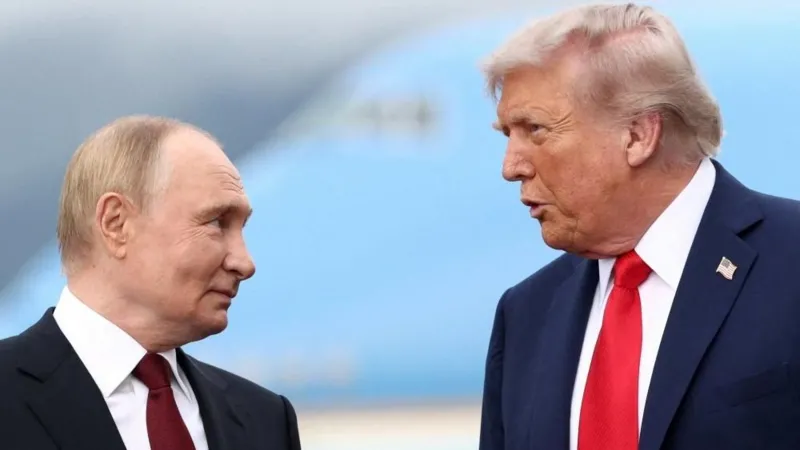
U.S. President Donald Trump has waived key Russia-related sanctions and tariffs shortly before they were due to take effect under legislation signed in September, citing the national interests of the United States. The measures were designed to increase economic pressure on Russia over its invasion of Ukraine and penalize countries purchasing Russian oil and gas.
In an executive order released by the White House on Friday, October 16, Trump said he had submitted a certification to Congress confirming that issuing the waiver was in the national interest. The exemption will remain in place until Trump or senior administration officials determine that further action is appropriate.
The decision comes as Trump faces pressure to contain rising energy costs ahead of U.S. midterm elections, while his administration has increasingly signaled a willingness to engage with Moscow.
Sanctions Bill Targeted Russian Oil Buyers
The legislation, known as the Lindsey O. Graham Sanctioning Russia and Iran Act of 2026, was signed by Trump in mid-September. It was intended to intensify pressure on Russia following its 2022 invasion of Ukraine.
Under the law, the administration could impose tariffs of up to 100% on goods imported from the five largest purchasers of Russian crude oil or gas, as well as countries knowingly buying Russian energy after the legislation’s specified deadline or among the leading countries helping Russia evade sanctions.
The proposed measures raised concerns among major buyers of Russian energy, including China and India. Beijing has opposed what it describes as the use of jurisdiction beyond a country’s borders without a basis in international law, while India warned that additional U.S. tariffs could affect bilateral relations.
The timing of the waiver is also significant for the U.S. economy. Analysts have warned that further restrictions on Russian energy could push oil prices higher as American consumers face increased costs associated largely with the U.S.-Israeli war on Iran.
Ukraine Criticizes the Decision as Russia Benefits
Ukrainian President Volodymyr Zelenskiy criticized Trump’s decision, arguing that easing economic pressure on Moscow could encourage Russia to continue its military campaign.
In a message posted on X on Saturday, Zelenskiy said the suspension of sanctions would benefit Russia financially and weaken efforts to end the war. He also reported that Russian forces had struck more than 15 Ukrainian electricity generation and transmission sites on Friday.
The waiver has also drawn criticism from U.S. lawmakers. Representative Don Beyer, a Virginia Democrat, accused Trump of yielding to Russian President Vladimir Putin and undermining congressional efforts to penalize Moscow for its invasion of Ukraine.
Trump had previously faced criticism from several senators, including Republicans, over a diesel supply arrangement involving Russia. Under that deal, the United States agreed to lift sanctions on Russian exports in exchange for Russia supplying diesel to global markets in an effort to lower fuel prices. Critics argued that the arrangement could provide financial support for Russia’s war effort.
Moscow Welcomes the Waiver
Kirill Dmitriev, Putin’s investment envoy, described Trump’s decision as a historic moment. He argued that the sanctions legislation could otherwise have effectively halted economic cooperation between Russia and the United States.
The latest move highlights the competing priorities shaping Washington’s Russia policy: maintaining pressure over the war in Ukraine while managing energy prices and diplomatic relations. With the waiver remaining in effect until the administration decides otherwise, the future application of the sanctions will depend on subsequent decisions by Trump and his senior officials.

