

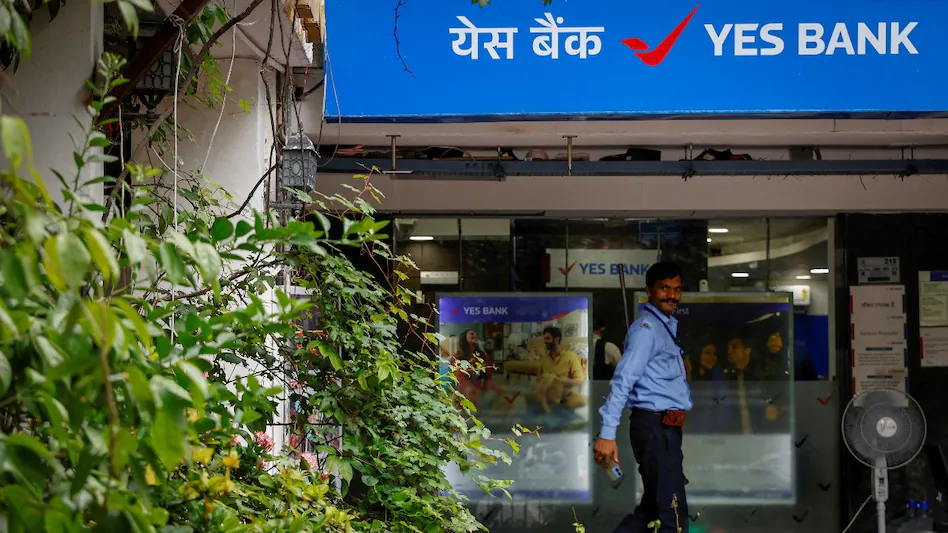
India’s Yes Bank reported a 65% increase in second-quarter profit, but the positive earnings performance comes amid uncertainty over the financial implications of a Supreme Court ruling that overturned the bank’s 2020 write-off of additional tier-1 (AT1) bonds.
The Mumbai-based lender announced a provisional net profit of 10.80 billion Indian rupees ($114 million) for the quarter. However, the bank clarified that the reported results do not include the potential impact of the court’s decision concerning 84 billion rupees ($884 million) in AT1 bonds.
According to the bank’s regulatory filing, recognising the ruling’s impact would have resulted in a quarterly loss of 52.17 billion rupees. Yes Bank said the reported figures remain indicative and could be revised as it assesses the implications of the judgment.
The Supreme Court ruling, delivered on Thursday, upheld a 2023 Bombay High Court decision that invalidated the bond write-off. The court dismissed appeals filed by Yes Bank, the Reserve Bank of India and the federal government, leaving the lender to consider how the judgment should be implemented.
Yes Bank Considers Further Legal Action
Yes Bank said it is evaluating the consequences of the ruling, including the method and timing of implementation. The bank is also considering all available legal options, including the possibility of pursuing further proceedings before the Supreme Court.
The lender was rescued in 2020 through a restructuring programme that brought in new investors after it encountered severe financial difficulties. During the restructuring, an administrator overseeing the process wrote off the AT1 bonds.
The latest ruling has reopened questions surrounding that decision and its potential consequences for the bank’s financial position. Japan’s Sumitomo Mitsui Banking Corporation holds a 24.99% stake in Yes Bank.
If the court ruling is reflected in the bank’s financial statements, its net worth would decline to 469.70 billion rupees from 532.68 billion rupees. Borrowings would increase to 861.49 billion rupees from 777.34 billion rupees, according to the filing.
Yes Bank said its total capital adequacy ratio would remain unchanged at 14.5%. However, the bank previously disclosed that its common equity tier-1 ratio could fall by approximately 250 basis points, highlighting a potential impact on its core capital position.
AT1 bonds are high-risk financial instruments designed to absorb losses when a bank experiences financial stress. Depending on their terms and the circumstances involved, they can be written off or converted into equity.
Quarterly Earnings Exceed Market Expectations
Despite the legal uncertainty, Yes Bank delivered stronger-than-expected operating results. Analysts surveyed by LSEG had projected quarterly profit of 9.55 billion rupees, below the bank’s reported f

